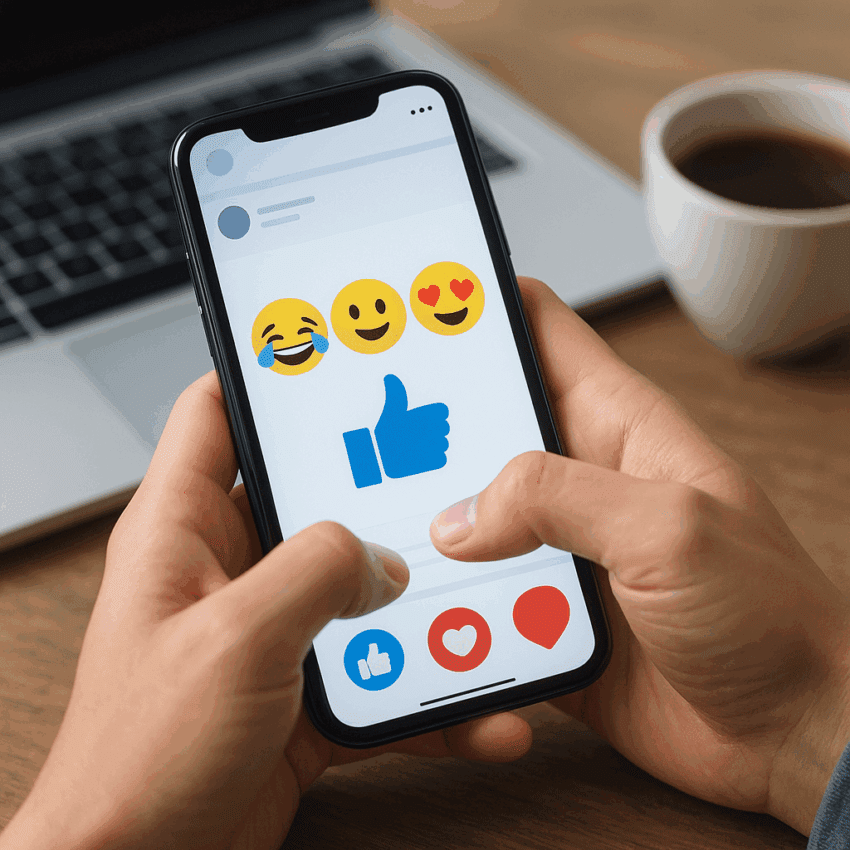
Emojis sit at the intersection of language and design: tiny images that compress tone, intent, and emotion into a few pixels. They are not merely decorative. On social platforms where milliseconds determine whether a post gets skimmed or saved, emojis function as efficient cues that guide the eye, reduce ambiguity, and help audiences decide whether to like, comment, share, or click. This article explains why emojis can move the needle on social media performance, what the data says about their effect, and how to use them responsibly without sacrificing brand voice or audience goodwill.
Why Emojis Influence Engagement: Signals, Shortcuts, and Social Meaning
Human communication depends on more than words; we rely on facial expressions, gestures, and prosody to disambiguate meaning. Emojis, like earlier emoticons, recreate a slice of this nonverbal layer in text-first environments. They do four especially useful things in feeds packed with competing messages.
1) Visual wayfinding in cluttered feeds
Feeds are visual obstacle courses. Emojis provide landmarks that help users parse structure: a check mark to flag key points, a flame to emphasize urgency, or a pin to denote important info. Research in visual cognition shows that colorful, familiar icons can act as anchors that speed scanning and categorization. In practical terms, a single well-placed emoji may lift immediate attention, improving the odds that a user pauses on your content long enough to process the message.
2) Emotional coloring and disambiguation
Without vocal tone, text can sound harsher or flatter than intended. Emojis reintroduce affect, reducing the risk of misinterpretation. A winking face softens humor; a folded hands symbol can convey thanks; a slanted face can mark empathy with a complaint. This added layer supports more accurate perception of sentiment, especially in short-form contexts like captions or replies where nuance is otherwise costly.
3) Social signaling and relationship building
Audiences often evaluate brands on warmth and competence. Emojis can make brands seem friendlier and more human, strengthening perceptions of warmth without necessarily undermining competence—if used judiciously. They can also signal in-group membership by referencing subcultures, memes, or niche interests (e.g., a soccer ball in posts for matchday updates), which enhances relevance to specific communities.
4) Cognitive efficiency and memory
Dual-coding theory suggests we recall information better when it is encoded both verbally and visually. Emojis provide a compact visual hook that pairs with text to form a richer trace in memory. In short posts, a single salient icon can make a call-to-action easier to remember, impacting downstream behaviors like clicks, saves, and repeat visits—key components of engagement.
What the Data Says: Evidence Across Platforms
While results vary by audience, platform, and creative, several data points illustrate the potential of emojis to improve measurable outcomes in social and adjacent channels.
- Push notifications: In a widely cited analysis, Leanplum (2017) reported that adding emojis to mobile push notifications increased open rates by 85% compared with text-only notifications. Although mobile ecosystems and user norms have evolved since then, the result highlights how small visual cues can substantially change behavior in high-noise channels.
- Volume and normality of use: Major platforms have reported extremely high emoji throughput. For example, Facebook has publicized that billions of emojis are sent on Messenger daily. The normality of emoji usage reduces any “novelty penalty” for brands; audiences are accustomed to them, which lowers cognitive friction.
- Email and SMS: Multiple industry tests over the past decade have shown that emojis in subject lines or preview text can lift open rates and click-through in certain verticals. Reported gains have ranged widely—from single digits to double digits—depending on list hygiene, offer strength, and emoji choice. The magnitude is context-dependent, but the direction is often positive.
- Social captions and replies: Platform-specific case studies often show improved likes, comments, or share rates when emojis highlight key information or emotion (e.g., countdowns, limited-time offers, celebratory posts). Improvements are largest when emojis clarify, not clutter.
- Perceived competence caveat: A peer-reviewed study (Glikson, Cheshin, and van Kleef, 2017) found that smiley emoticons in initial professional emails reduced perceived competence, even as they increased perceptions of warmth. The implication: platform and relationship stage matter; tone that works on Instagram or TikTok may not translate to B2B cold outreach on LinkedIn or email.
Two methodological cautions are essential. First, causality is tricky: high-performing posts may simply be better in many ways (topic, timing, creative) and also happen to include emojis. Second, platform algorithms evolve, and what works one quarter may need refinement the next. Controlled tests—randomized and sufficiently powered—are the gold standard for determining whether emojis drive a measurable lift for your audience and content mix.
Channel-Specific Considerations
Emojis perform different functions depending on the platform archetype and consumption norms.
Instagram and TikTok
Visual-first platforms reward bold cues and succinct storytelling. Emojis can:
- Structure long captions with scannable bullets (e.g., check marks for benefits, clocks for deadlines).
- Amplify mood in Reels or TikTok captions, especially for humor, surprise, or celebration.
- Create a consistent “signature” (e.g., the same two icons in bios and CTAs) that aids brand recall.
Overuse, however, can look spammy or inauthentic, undermining perceived trust.
Twitter/X
Character limits make compact signaling valuable. Emojis can replace words (e.g., a calendar for “event”) or add a fast affective cue. Beware of platform-dependent rendering and trending meme cycles; what feels playful one week can feel stale the next.
Professional norms skew conservative, but well-chosen emojis can still help—especially for clarity (e.g., lightbulb for insights, megaphone for announcements). Reserve overtly playful or ambiguous choices for warm audiences and internal employer-brand content.
YouTube
In titles, emojis have limited space to add value; in descriptions and comments, they can demarcate sections, spotlight chapters, or communicate enthusiasm without shouting in all caps.
Best Practices: Using Emojis Without Losing Your Voice
Good emoji strategy is less about piling on icons and more about purposeful design.
1) Lead with message, then add the right icon
Define the core narrative and desired outcome first. Only then choose emojis that reinforce meaning. This preserves clarity and reduces the temptation to use emojis as decoration.
2) Fit the emoji to the audience and category
A sportswear brand can be playful; a medical device company must be cautious. For sensitive topics (health, safety, finance), prefer neutral or respectful symbols and avoid lighthearted faces that may trivialize concerns. Consider regional interpretations and linguistic cues to avoid cross-cultural misfires.
3) Limit to one primary and one secondary emoji
As a rule of thumb for captions, one anchor emoji near the front and one at the CTA or emphasis point is often sufficient. Strings of 6–10 emojis add noise and may trigger spam heuristics in both users and platforms.
4) Place emojis where the eye naturally lands
Front-load key posts with an anchor emoji to increase initial salience, then position a CTA emoji near the link or instruction. Brackets like [New] can pair with a star or sparkle to create a high-contrast hook.
5) Preserve brand tone and lexical cohesion
If the brand voice is formal, choose geometric or neutral symbols (e.g., circle, square, arrow) rather than exaggerated facial expressions. Visual choices should harmonize with typography, color palettes, and motion language.
6) Test, measure, iterate
Run A/B or multivariate tests isolating emoji presence, position, and choice. Track not only clicks or likes but also post-click behavior such as dwell time and conversion. Short-term vanity metrics can mask negative downstream effects if the emoji promise does not match the landing experience.
7) Respect platform and creator norms
On creator-collab posts, align with the creator’s established style. A mismatch between their voice and your emoji choices will feel forced and reduce authenticity.
A Practical Testing Framework
A disciplined approach prevents overfitting to one-off wins.
- Hypothesis: State it clearly (e.g., “A single anchor emoji at the start of IG captions will increase saves by 5%+”).
- Design: Randomly assign followers or impressions to variants with and without emojis; hold time of day, length, and visual template constant.
- Sample size: Calculate the number of impressions needed to detect your minimum detectable effect at 80–90% power; this prevents chasing noise.
- Metrics: Track view-through rate, save rate, comments per impression, and assisted conversions where possible.
- Duration: Run tests across multiple content cycles (weekday/weekend, different topics) to avoid topical confounds.
- Analysis: Use confidence intervals, not just p-values; segment by audience cohort (new vs. engaged followers) to spot heterogeneity.
- Documentation: Maintain an emoji style guide with examples that worked and those that did not.
Creative Patterns That Consistently Help
Patterns are not rules, but they provide starting points that are easy to test.
- Signal benefits: A check mark at the start of each benefit line in a carousel caption increases processing fluency.
- Mark scarcity: An hourglass or alarm clock near a deadline reduces ambiguity without sounding pushy.
- Celebrate milestones: A trophy, medal, or confetti directs users to interpret the post as an achievement worth sharing.
- Guide actions: A pointing finger or arrow near links or “comment below” prompts clarifies next steps, improving micro-conversions.
- Frame moods sparingly: One face emoji to set tone (empathetic, joyful, surprised) keeps emotion legible without overpowering the copy.
Risks, Misinterpretations, and Ethics
Emojis are powerful precisely because they compress meaning; that compression can backfire when interpretation varies.
Cross-platform rendering differences
Emojis can look different on iOS, Android, and desktop. A subtle grin on one platform may read as a smirk on another. Test critical posts across devices, especially when using nuanced facial expressions.
Cultural and contextual pitfalls
Some symbols carry different meanings by region or community. Hand gestures, animals, and food icons can have slang implications. Monitor comments for unintended interpretations and adjust your style guide accordingly. Always prioritize context.
Skin tone and representation
When using hand emojis, be thoughtful with skin tone modifiers. Consistency signals awareness; sporadic or tokenistic use can seem performative. In many cases, neutral yellow remains the default for general communications, while brand and community guidelines may call for more specific representation.
Sensitive topics
For posts about crisis response, safety advisories, or health updates, prefer clear, neutral symbols and avoid playful faces. Empathy comes from content and action; emojis should not trivialize serious matters.
Moderation and fraud signals
Overuse of certain emojis (e.g., money bag, fire, explosion) in ads can trigger platform or user suspicion in high-risk categories like crypto and supplements. Pair assertive claims with proof points and avoid hyperbolic strings of icons.
Accessibility
Screen readers speak emoji short names (“fire,” “red heart”) aloud. Long strings can create a poor experience. Use emojis for scannability, not as text substitutes in bulk. Treat accessibility as a core quality dimension; add alt text to images that contain emoji-heavy overlays, and ensure sufficient color contrast in graphics that include symbols.
Measurement, Modeling, and Attribution
To move beyond anecdotes, incorporate emojis as explicit variables in analysis.
- Feature engineering: Encode presence/absence, position (front, middle, end), type (face vs. object), and count. Include interaction terms with post length and media type.
- Regression or uplift modeling: Estimate the incremental effect of emoji features while controlling for confounders like topic category, daypart, and audience size.
- Time-series considerations: Platforms shift. Use rolling windows and re-train models to prevent drift.
- Guardrails: Even if emojis lift clicks, ensure they also correlate with quality metrics (average watch time, negative feedback rate, bounce). Optimize for durable behavior, not clickbait.
Where possible, connect social metrics to business outcomes: store visits, leads, trials, revenue. A post that garners high reactions may still underperform if it attracts the wrong audience. Optimizing the whole funnel ensures that increased attention converts into meaningful value.
Legal and Brand Safety Considerations
Emojis can inadvertently imply endorsements, guarantees, or emotional states. In regulated sectors (finance, healthcare), ensure that combinations of emojis and claims do not imply outcomes you cannot substantiate. A money bag next to an earnings claim may be read as a promise. Create review checklists for sensitive campaigns and document rationales.
The Future: Beyond Static Icons
Emojis are evolving from static glyphs to components of richer expressive systems.
- Animated and variable icons: Stickers and animated reactions already blend with emojis; expect more platform-native motion that carries semantic weight without consuming copy.
- Generative personalization: AI-driven creative may tailor emoji choice to cohort tastes, language, and current events in near-real time—raising new questions about consistency and ethics.
- Semantic layers: As sentiment analysis models mature, platforms may surface or throttle content partly based on emoji-informed features, increasing the odds that deliberate, well-aligned use improves distribution.
- Brand-owned sets: Custom emoji-like stickers inside messaging ecosystems create proprietary micro-languages, deepening loyalty but increasing maintenance overhead.
Case Vignettes: When Emojis Help—and When They Hurt
Consider a product drop on Instagram. A star emoji in the first two words of the caption, a short benefits list with check marks, and a pointing finger near “Tap to see colors” can improve scannability and comprehension. Pairing this with a celebratory confetti emoji in replies helps maintain tone while acknowledging community excitement.
Contrast that with a serious service outage update. Using a siren emoji to flag urgency is defensible, but pairing it with playful faces risks trivializing the issue. Here, a simple construction—time, impact, action, and expected resolution—is preferable. Emojis, if any, should be neutral and sparse.
Building an Emoji Style Guide
An internal guide prevents inconsistency and reduces approval friction.
- Allowed vs. restricted emojis, with rationale.
- Recommended counts and placement by platform.
- Examples of on-voice and off-voice usage.
- Guidelines for holidays, causes, and sensitive events.
- Localization notes, including region-specific interpretations.
- Review and update cadence tied to analytics insights.
Common Myths to Avoid
- “More emojis equal more engagement.” Diminishing returns set in quickly; one or two purposeful icons usually beat a string.
- “Any emoji works the same.” Faces vs. objects vs. symbols carry different cognitive and cultural loads.
- “Emojis are informal, so avoid them in professional contexts.” Nuanced use can work even in B2B thought leadership, provided tone and stakes are aligned.
- “Once you find a winner, use it everywhere.” Platform norms and creative fatigue demand variety and fresh testing.
Operational Tips for Teams
To scale good decisions across copywriters, community managers, and designers:
- Maintain a living library of approved emojis with example sentences and screenshots of high-performing posts.
- Instrument your CMS or social publishing tools to tag posts automatically with emoji metadata for later analysis.
- In creative reviews, ask: What job is this emoji doing? If it does not clarify or emphasize, remove it.
- Use lightweight experiments in Stories and Reels (polls, sliders) to feel market sentiment toward specific emoji choices before high-stakes launches.
ROI, Budgeting, and Scale
Emojis are inexpensive levers relative to re-shooting assets or buying more reach. But time spent testing and documenting still has an opportunity cost. Prioritize experiments where small lifts have large compounded effects—e.g., recurring weekly series or high-frequency community replies. Even modest gains in save rate or share rate can improve algorithmic distribution, amplifying organic reach without extra spend.
Key Takeaways You Can Use Today
- Choose one anchor emoji that clarifies your post’s intent; place it early.
- Use a second emoji to point at your CTA or to denote urgency or novelty; stop at two.
- Design tests that isolate emoji effects from other variables; measure beyond surface metrics.
- Adapt by platform and audience maturity; what delights new scrollers may annoy loyal followers.
- Document learnings in a style guide; revisit quarterly with fresh data.
- Balance warmth with competence; in high-stakes updates, neutral symbols beat playful faces.
- Keep clarity and authenticity nonnegotiable; never use emojis to mask weak offers.
Closing Perspective
Emojis are not magic, but they are meaningful. They compress tone and intent into a single character, which is exactly what dense feeds demand. Used with discipline, they increase scannability, reinforce emotional intent, and can nudge measurable outcomes from views to clicks to conversions. Used carelessly, they obscure meaning and erode trust. The difference lies in strategy: start with message-market fit, add emojis to strengthen signal, and hold yourself accountable to the data. When you do, these tiny glyphs become reliable allies in the ongoing quest for attention, memory, and action—three levers that define social media performance and, ultimately, business impact.